
Get Wildfire Mitigation in Clarkston, MI
Wildfire Mitigation services for property owners in Clarkston, MI, and nearby areas include creating defensible space, removing brush, and installing fire-resistant landscaping.
Wildfire mitigation services are an essential consideration for property owners in Clarkston, MI seeking to enhance safety and protect their investments. These services often include strategic landscape management, defensible space creation, and removal of combustible materials, all designed to reduce the risk of fire spreading to structures. Implementing these measures can provide peace of mind by minimizing potential damage and ensuring that the property remains secure during wildfire threats.
In addition to safety, wildfire mitigation can improve the overall functionality and appearance of a property. Properly maintained defensible zones can help reduce ongoing maintenance needs and preserve the landscape’s durability. Enhancing curb appeal through thoughtful landscaping not only contributes to the property's aesthetic value but also supports long-term property resilience, making wildfire mitigation a practical investment for property owners in the area.
- Wildfire Risk Assessments - needed when property owners in wildfire-prone areas want to evaluate their property's vulnerability.
- Vegetation Management Services - suitable for homeowners and landowners seeking to reduce combustible plants and trees near structures.
- Defensible Space Creation - recommended for residents looking to establish buffer zones that help protect buildings during a wildfire.
- Firebreak Installation - applicable when property owners want to create barriers to slow or stop the spread of fire across land.
- Emergency Preparedness Planning - essential for communities in wildfire regions aiming to develop strategies for wildfire response and safety.
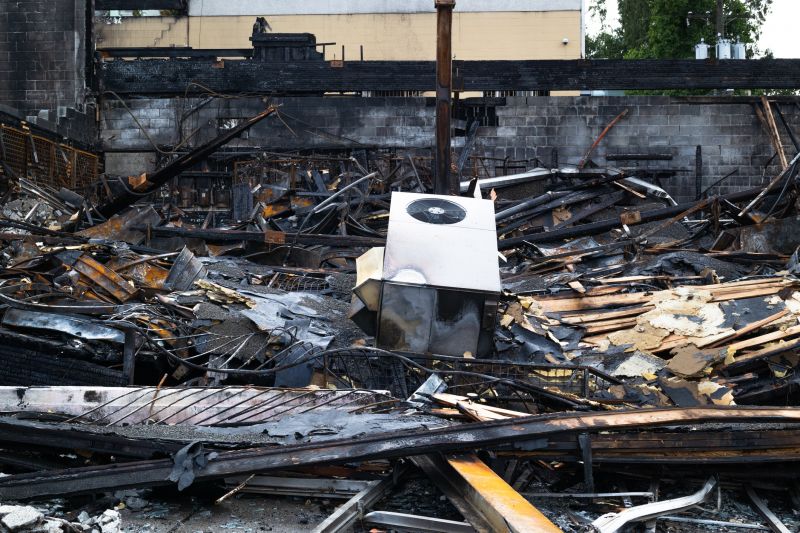
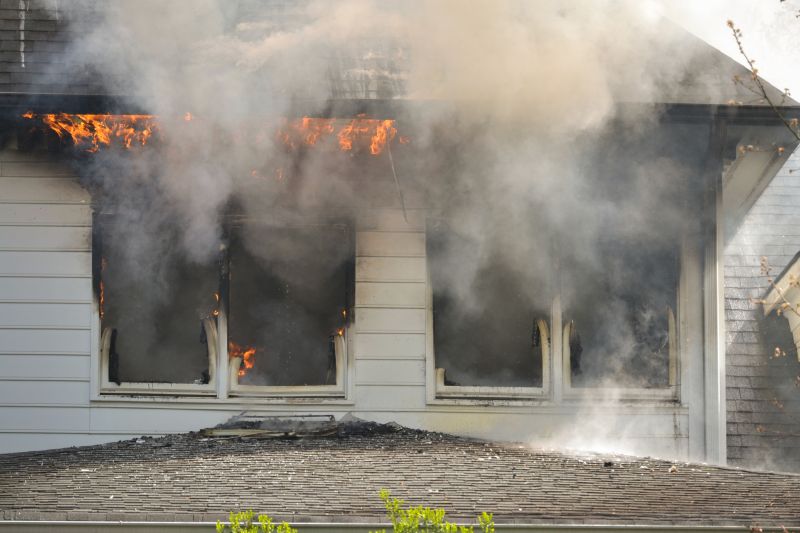
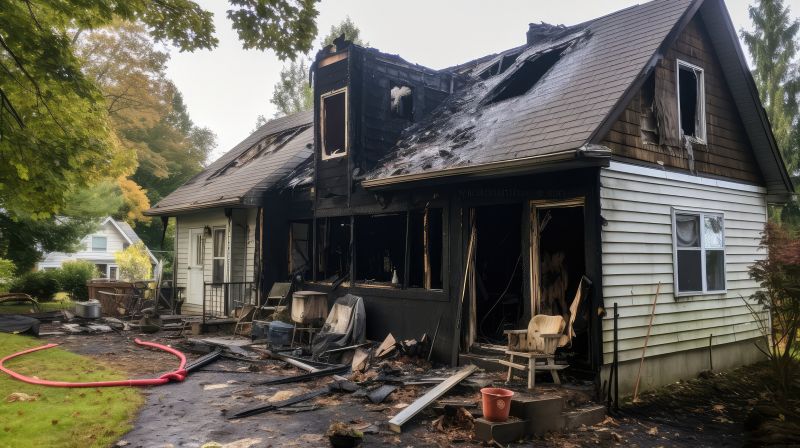
Wildfire mitigation services focus on reducing the risk of fire spreading across properties and communities. These services typically involve assessing the fire hazards present on a property, such as overgrown vegetation, dead trees, and combustible materials. Service providers may recommend and implement strategies to create defensible space, including clearing brush, trimming trees, and removing debris that could serve as fuel during a wildfire. The goal is to make properties less vulnerable to ignition and to slow or prevent the spread of fire in the event of a wildfire nearby.
These services help address common problems associated with wildfires, such as property damage, loss of vegetation, and the danger posed to residents and structures. By proactively managing vegetation and reducing fuel sources, property owners can minimize the likelihood of a wildfire reaching their home or commercial building. Wildfire mitigation also contributes to community safety by decreasing the overall risk of large-scale fires that can threaten multiple properties and overwhelm emergency response efforts.
Properties that typically utilize wildfire mitigation services include residential homes in rural or semi-rural areas, especially those located near forests, grasslands, or other natural landscapes prone to fire. Commercial properties situated in fire-prone regions, such as agricultural facilities or outdoor event spaces, may also seek these services to protect their assets. Additionally, properties within wildfire hazard zones or areas with a history of fire activity are often prioritized for mitigation efforts to enhance resilience against future incidents.
Engaging with local wildfire mitigation service providers can help property owners develop tailored strategies to reduce fire risks. These professionals evaluate the specific conditions of each property, recommend appropriate vegetation management practices, and assist with implementing fire-resistant landscaping and defensible space techniques. Contacting experienced local providers ensures that mitigation efforts align with the unique needs of the property and the surrounding environment, helping to safeguard homes and assets from the threat of wildfire.
The overview below groups typical Wildfire Mitigation projects into broad ranges so you can see how smaller, mid-sized, and larger jobs often compare in Clarkston, MI.
In many markets, a large share of routine jobs stays in the lower and middle ranges, while only a smaller percentage of projects moves into the highest bands when the work is more complex or site conditions are harder than average.
Initial Assessment - The cost for a wildfire risk assessment typically ranges from $200 to $600, depending on property size and complexity. Larger or more complex properties may incur higher fees. These assessments help identify key areas for mitigation efforts.
Vegetation Management - Clearing and trimming vegetation can cost between $500 and $2,500 for residential properties. Expenses vary based on the amount of vegetation and the extent of work needed. Proper vegetation management reduces fire fuel around structures.
Defensible Space Creation - Establishing defensible zones around a property generally costs between $1,000 and $4,000. This includes removing combustible materials and creating buffer zones to improve fire resistance. The cost depends on property size and landscape complexity.
Fire-Resistant Landscaping - Implementing fire-resistant plants and materials typically ranges from $1,500 to $5,000. Costs vary based on the scope of landscaping and materials selected. Such landscaping can help slow fire spread and protect structures.
Actual totals will depend on details like access to the work area, the scope of the project, and the materials selected, so use these as general starting points rather than exact figures.
Vegetation Management - local pros can assist with trimming and removing trees and brush to reduce wildfire risk around properties.
Defensible Space Creation - experts can help establish defensible zones by clearing combustible materials and creating barriers to slow fire spread.
Firebreak Installation - service providers can design and implement firebreaks to prevent the spread of wildfires across large areas.
Emergency Access Planning - professionals can evaluate and improve access routes to ensure quick response and evacuation during wildfires.
Fuel Load Reduction - local specialists can remove dead vegetation and excess debris to lower the amount of combustible material on properties.
Community Wildfire Risk Assessment - experts can conduct assessments to identify high-risk areas and recommend mitigation strategies for neighborhoods.
When evaluating wildfire mitigation services, it’s important to consider the experience of local contractors. Homeowners should seek out providers with a proven track record in wildfire risk reduction, especially those familiar with the specific challenges of the Clarkston, MI area. Experienced pros are more likely to understand local terrain, vegetation types, and fire behavior, which can influence the effectiveness of mitigation strategies. Gathering information about a contractor’s background and previous projects can help ensure that the chosen provider has the practical knowledge necessary to address individual property needs.
Clear and written expectations are essential when working with wildfire mitigation service providers. Homeowners should request detailed descriptions of the scope of work, materials used, and maintenance considerations. This helps set transparent standards for the project and minimizes misunderstandings. Reputable local pros typically provide thorough documentation or proposals that outline the services offered, ensuring that homeowners have a clear understanding of what will be completed and what to expect throughout the process.
Reputation and communication are key factors in selecting wildfire mitigation professionals. Homeowners are encouraged to seek references or reviews from previous clients to gauge the reliability and quality of a contractor’s work. Effective communication is also vital; a responsive and transparent service provider can better address questions, provide updates, and adapt to specific property conditions. Connecting with local pros who prioritize clear communication and have established trustworthy references can contribute to a smoother, more confident mitigation process.
Property owners in Clarkston, MI use Wildfire Mitigation services for practical projects around their homes and businesses. The sections below highlight everyday jobs and straightforward project options.
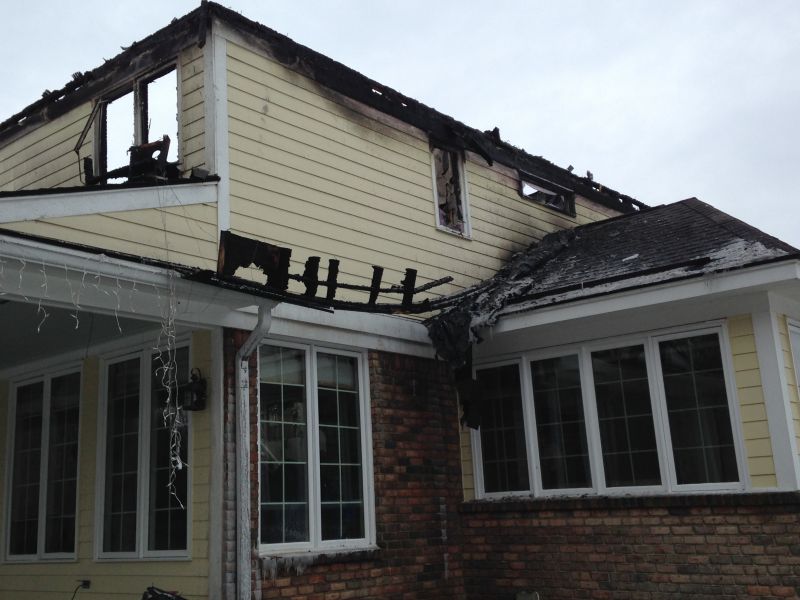
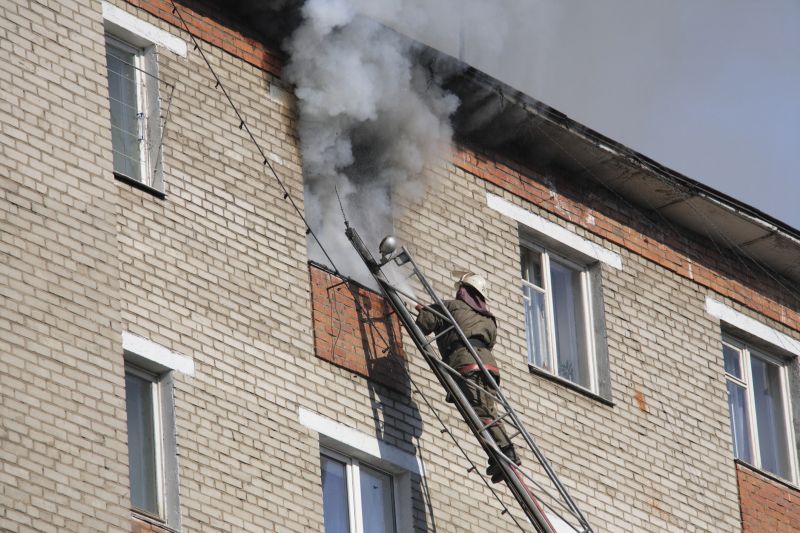
Wildfire mitigation services are often sought by property owners in Clarkston, MI who want to reduce the risk of fire spreading to their homes and surrounding landscapes. These services typically include clearing brush, trimming trees, and creating defensible zones around properties to minimize combustible materials. Homeowners might pursue this work after noticing overgrown vegetation or during seasonal periods when fire risk increases, aiming to protect their investments and ensure safety.
Additionally, property owners may look for wildfire mitigation solutions to meet local regulations or insurance requirements. Engaging with experienced service providers can help ensure that properties are properly prepared and compliant with safety standards. Whether for routine maintenance or specific concerns about wildfire hazards, connecting with local professionals can support efforts to create safer, more resilient properties in the Clarkston area.
What are wildfire mitigation services? Wildfire mitigation services involve assessments and actions taken to reduce the risk of wildfires affecting properties, such as creating defensible space and removing combustible materials.
How can local professionals assist with wildfire mitigation? Local experts can evaluate property risks, recommend appropriate clearance techniques, and implement fire-resistant landscaping to help protect homes and properties.
Are wildfire mitigation services suitable for residential properties? Yes, these services are often tailored to residential properties to enhance safety and reduce the likelihood of wildfire damage.
What types of wildfire mitigation measures are available? Common measures include brush clearing, tree trimming, creating defensible zones, and installing fire-resistant barriers.
How do I find local wildfire mitigation service providers? Contacting local contractors or service providers specializing in wildfire risk reduction can connect property owners with appropriate mitigation options.
Vegetation Management - Local service providers can assist with trimming and removing trees and shrubs to reduce wildfire risk.
Firebreak Installation - Pros can create defensible space by establishing firebreaks around properties to slow the spread of wildfires.
Property Assessment - Experts can evaluate landscapes to identify potential fire hazards and recommend mitigation strategies.
Defensible Space Planning - Service providers can advise on effective landscaping and clearance practices to enhance property safety.
Considering Wildfire Mitigation for a property in Clarkston, MI? The sections above highlight common project types, practical options, and details that often shape the scope of work.
When you are ready, use the quote form to share a few details about your project. Local pros can review the basics and respond with options that match what you have in mind.